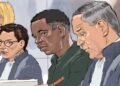

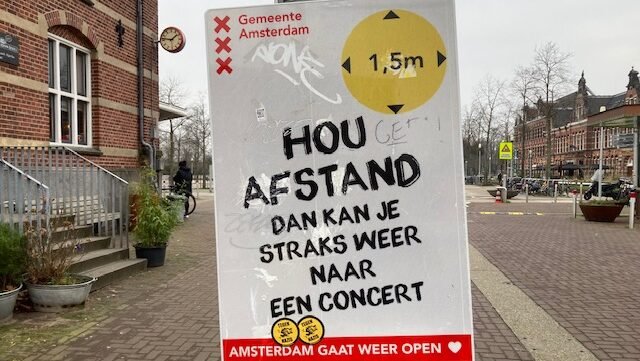
A parliamentary inquiry set up to examine the government’s strategy to deal with coronavirus and the measures taken to limit the spread of the disease starts public hearings on Friday.
The commission will hear experts from across the government, health experts and others over a nine-week period. Among those appearing before the panel on Friday are virologist and professor Marion Koopmans, who emerged as one of the big names during the pandemic, and former healthcare minister Bruno Bruins.
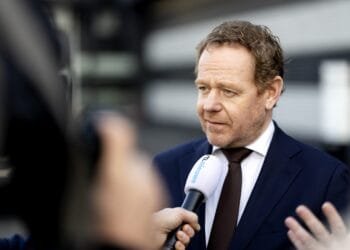
A parliamentary inquiry is made up of MPs from a cross-section of parties, but the coronavirus commission has changed its make-up continually since it was first set up in 2024. Chairman Daan de Kort is the only one of the original six members to remain.
Some 50 people will appear before the inquiry in the coming weeks, including former prime minister Mark Rutte and Jaap van Dissel, former head of the public health institute RIVM, who became the public face of efforts to contain the disease and received numerous threats from anti-coronavirus measure activists.
The inquiry will look into the impact of the Dutch curfew and lockdowns, which were not as strict as in countries like France and Britain, as well as the introduction of the “corona pass”, a much-criticised certificate showing the owner had tested negative for the disease within the past 48 hours.
The vaccination programme and the use of face masks in public and by the medical profession will also be examined, as will the “CoronaMelder” tracking system to identify possible cases.
The first case of coronavirus in the Netherlands was confirmed on February 27, 2020, and reported by Bruins during a live TV special on the virus. The 56-year-old victim had been on a work trip to northern Italy and joined in the Carnaval festivities shortly before falling ill.
By March 5, the number of Dutch confirmed cases had more than doubled from 38 to 82 and on March 6, the first death was reported.
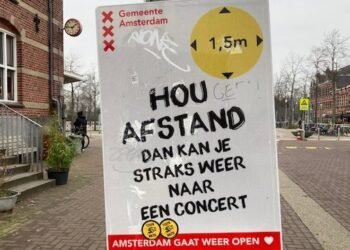
On March 15, the “intelligent lockdown” began in the Netherlands, with the closure of schools, cafes and sports clubs and the introduction of the 1.5-metre rule.
A year later, the official death toll topped 15,000, but the real figure was far higher. By the official “end” of the pandemic in March 2022, when the face mask rule was lifted on public transport, over 48,000 people had died.