

An outbreak of hantavirus on board a Dutch cruise ship that is suspected of causing the deaths of three people may have spread from person to person, the World Health Organization (WHO) has said.
Maria Van Kerkhove, the WHO’s epidemic and pandemic preparedness director, told a press briefing in Geneva on Tuesday that any suspected transmission between people would have happened “among the really close contacts” such as couples. The risk to the wider public remained low, she said.
The WHO believes the original infection took place off the ship. A Dutch couple, both aged 69, died after boarding the ship in Argentina on April 1.
The husband fell ill in the early days of the voyage and died on April 11, while his wife became sick after disembarking on St Helena island with his body on April 24. She died in hospital three days later after flying to Johannesburg, where she was due to travel back to the Netherlands.
A British man was taken ill at around the same time and evacuated to hospital in Johannesburg, where he is currently being treated in intensive care.
He and the Dutch woman are the only confirmed cases of hantavirus so far, but tests have been carried out on four other people who developed symptoms, including a German woman who died on board.
Two weeks’ incubation
Van Kerkhove said the typical incubation period of one to six weeks meant the couple, from the village of Haulerwijk in Friesland at the centre of the outbreak, had probably been infected before they boarded possibly while travelling overland activities.
The strain of hantavirus has not yet been identified; genetic sequencing is being carried out in South Africa. The disease causes respiratory problems and gastric problems, such as diarrhoea, which in the severest cases can be fatal.
Only one variant of the virus, the South American Andes virus, is known to be capable of spreading between humans, and such transmission is rare. It is carried by rodents and usually spread by contact with their droppings and urine.
Ship heading for Spain
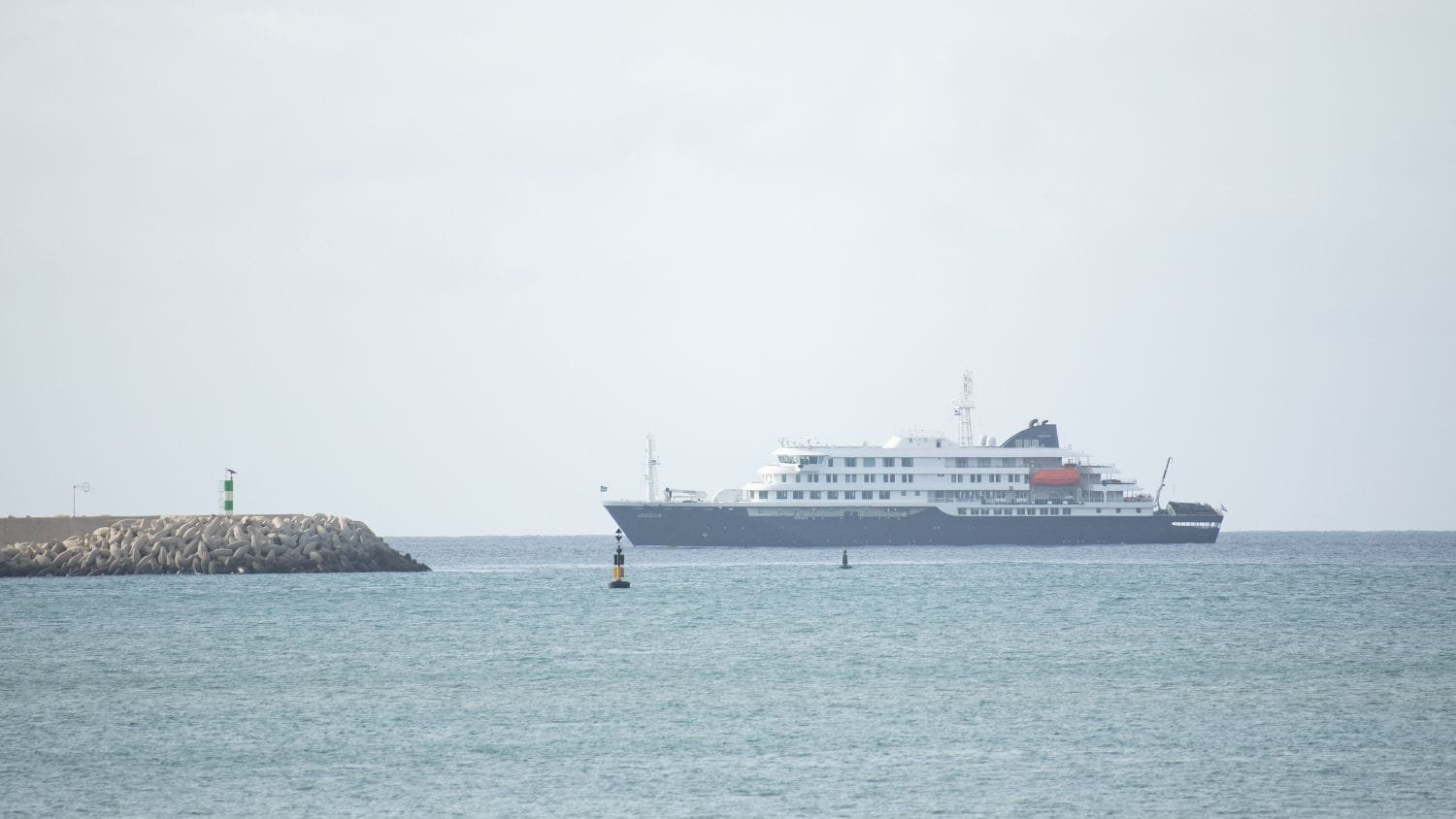
Spain has agreed in principle to receive the Hondius in the Canary Islands for a full epidemiological investigation and disinfection of the vessel. Spain’s health ministry said on Tuesday no port decision had yet been taken, and one would only be made after reviewing data collected during the ship’s stopover off Cape Verde.
Two crew members on board who require urgent care will be evacuated first to the Netherlands before the ship can move. Dutch authorities are preparing two specialised aircraft for the evacuation, which will also carry a third individual linked to the 69-year-old German woman who died on board on May 2.
The WHO has identified seven cases linked to the cruise – two confirmed by laboratory testing and five suspected. Three of those people have died, one is in a critical condition in hospital in Johannesburg, and three remain on board with mild symptoms.
In total, 149 people are currently on board the Hondius, which is anchored off Praia, the capital of Cape Verde. The passengers, who include 19 Britons, 17 Americans and 13 Spaniards from 23 countries in total, have been told to remain in their cabins.