


Looking for a job in the Netherlands or thinking about making a career change? Here’s an update of things to think about when it comes to contracts, rights, CVs and speaking Dutch.
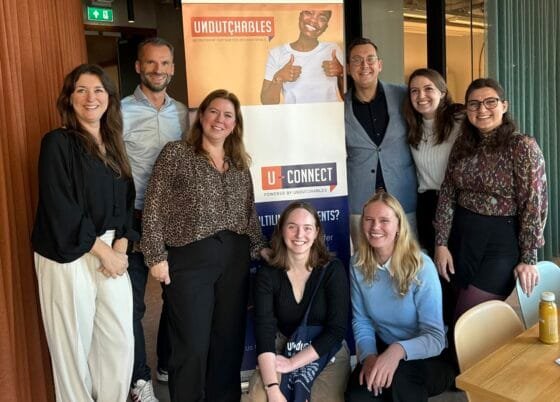
The unemployment rate in the Netherlands is relatively stable at around 4% and skilled workers are in high demand. So how can you maximise your chances of finding a job or moving up in your career? Aubrey de Wilde, an international herself and from recruitment agency Undutchables, has the answers.
How easy is it to find a job?
“The job market has become a lot more competitive in recent months and there are a lot of people competing for the same position, so it can be tricky to stand out. That’s not to say there are no opportunities for internationals — it will just take a bit more work.
“Of course, your level of expertise and the area you are looking in will also determine how easy it is to find a job. Tech is an area where there are plenty of opportunities – not just tech in a tech company but also in commercial companies, because everyone is keen to use AI and the latest technologies.
“There are plenty of health industry jobs – nursing and nursing assistants – as well as roles in tourism and hospitality, though hospitality jobs are often likely to be seasonal.
“Location also matters. In Limburg you’ll see a lot more industrial and production jobs, and moving towards Rotterdam there are a lot more opportunities in logistics. Your native language may also influence the jobs open to you — we have a lot of success placing German and French speakers in customer service or sales and market development roles, for example.”
What about contracts — it all seems very complicated?
“The big question is the difference between permanent and temporary contracts. For example, internationals often don’t understand why they are offered a seven-month contract when they have applied for a permanent job
“In the Netherlands this is really normal. Because there is a lot of protection for workers here, a company can only end a contract in very specific situations. That means many companies start with temporary contracts to find out if the person is a good fit – and of course, as a candidate, you can decide if you like the job and the company as well.
“A company may also employ someone through a staffing agency as a “let’s get to know each other” period. Many of the jobs we offer at Undutchables are meant to be permanent roles but start this way.”
Find out more about Dutch contracts and benefits
Do I need a work permit?
“If you come from outside the EU or EEA, then yes, you do need a work permit. The exact permit depends on your personal situation — whether you’re here on a student visa, being sponsored by a company, or here as a partner of someone, for example.
“The IND website (immigration service) has improved their English website so it is easy to use and you can follow a logical path to find out what you need to do. While we provide as much general information as we can on our website, it really does depend on getting IND approval. So we always advise candidates to get in contact directly to find out what is best suited to their situation and what steps they need to take to secure their permit.”
People often praise the Dutch work-life balance. What does it mean?
“My colleagues described it as “working to live, not living to work” and I think that is really true. Work is work, there are clear boundaries, and people really respect your right to holidays, evenings and weekends – and just generally life outside the office.

“It’s also worth pointing out that the Netherlands has parental leave for both new mums and dads and I think this is more evidence of the commitment that employers and the entire system have to creating a happy workforce. Generally speaking, employers understand that creating a good work-life balance supports people individually but also enables employees to be happier and more successful at work when they are there.”
What are my rights when it comes to holidays?
“If you work full time you have a minimum of 20 days a year, plus public holidays. If you work four days a week, you have 16 days, and so on proportionately. Some employers offer more days in their terms and conditions.
“May is pretty busy when it comes to time off because of all the public holidays. We worked out here in the office that if you wanted to be off between May 11 and May 26, you would normally need to take 12 whole days, but because of the public holidays falling in that period, you only need to take nine. Now there’s a pro tip if your work diary is fairly empty in the coming weeks!”
I can’t speak Dutch. Will that be a problem?
“There are lots of jobs in the Netherlands that don’t require Dutch. However, it’s always worth starting to learn. It helps in your personal life and in your office environment, even if your role doesn’t require it — you may well have Dutch colleagues, and the language during lunch is Dutch, for example. It will also help you understand your company culture.
“There are, of course, definitely job opportunities if you are not fluent yet, but speaking Dutch does improve your chances of getting a job and could open up other opportunities. We’ve noticed that companies are now combining language requirements, so a job may call for someone who speaks German and Dutch, or Spanish and Dutch. The more languages the better. The core Undutchables business is bridging the gap and connecting multilingual job seekers with employers here in the Netherlands – and this includes people who do not speak Dutch yet.”
How can I tailor my CV to Dutch employers?
“Keep your CV to a maximum of two pages — shorter if you can. Dutch employers and recruiters like to get an overview, see a few key words, and then talk to you in an interview about your individual situation. Remember to tailor your CV to each job you apply for.
“For your personal summary, think of it as a short version of your cover letter. Use key words that match the position, introduce yourself and show something of your personality. Make sure they notice you and your experience so they will be sure to invite you for that all-important interview.”
What’s the biggest mistake to make when applying for a job?
“Sending in a CV and then sitting back and waiting for something to happen. You have to be proactive in your job search and take responsibility for it yourself. It’s easy to get frustrated after several rejections, but keep in touch with your recruiter, make sure you are getting noticed, be professional and keep networking.
“And when you do get that interview — I cannot stress it enough — make sure you are on time!”
Looking for work or a career change? Check out the Undutchables vacancies. If you are looking for staff, find out how Undutchables can help employers.