

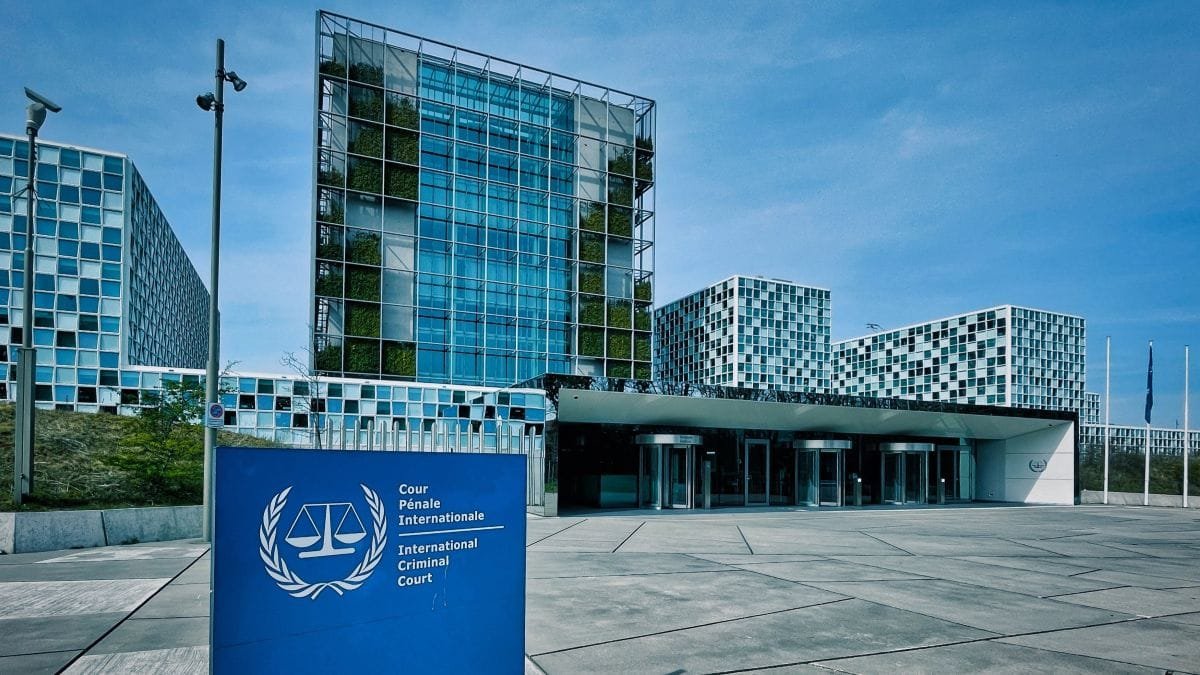
The US has launched a campaign to dismantle the international criminal court (ICC) in The Hague, escalating Washington’s long-running conflict with the tribunal from sanctions on individual staff to an effort to shut the institution down entirely.
Secretary of state Marco Rubio announced the campaign on Monday in a Wall Street Journal opinion piece, a video message and a US State Department statement, writing that Washington would “dismantle the ICC, brick by brick, if necessary”.
The State Department described the plan as a coordinated, government-wide effort to “systematically disable” the court, involving pressure on other countries to reject its authority or withdraw. Officials said the measures under consideration include travel bans, visa revocations and further sanctions.
Rubio said the court threatens US sovereignty by claiming the power to prosecute American soldiers and officials. The US has never joined the ICC and does not recognise its jurisdiction.
Its grievances centre on an investigation into US forces in Afghanistan and the warrants the court issued in 2024 for Israeli prime minister Benjamin Netanyahu and former defence minister Yoav Gallant over the war in Gaza.
Legal experts say that mischaracterises what the court can do. “The ICC is not claiming jurisdiction over conduct in the United States,” former Human Rights Watch head Kenneth Roth told the Guardian, noting the court can only investigate crimes committed on the territory of its member states.
The Afghanistan investigation, opened in 2020, has since 2021 focused mainly on the Taliban and the former Afghan government rather than US troops.
What it means for the Netherlands
The Netherlands is one of the 125 member countries and has a special responsibility as the host country to protect its ability to function. Everyone the ICC detains ends up on Dutch soil, and everything between Schiphol airport and the 12 court cells at Scheveningen prison is the Netherlands’ responsibility, along with security and day-to-day support.
The court’s banking and IT services run mostly through US firms, and if Washington sanctions the institution as a whole, American companies and banks would be barred from working with it.
Dutch banks are at risk from the US if they keep handling the court’s transactions, and the previous cabinet was already working to move essential services to non-American providers.
Government response
The Dutch government has previously called US sanctions on the court a “worrying signal” but has done little in practice.
The D66-led coalition committed in its coalition agreement to actively promoting the international legal order, while also seeking to keep relations with Washington intact.
The cabinet has not yet responded to Monday’s announcement, with ministers on their summer break. In June, three ICC judges sued the Trump administration in a New York court over the earlier sanctions, which they called unlawful.