


Hundreds of people convicted of serious crimes, including murder, rape and child abuse, have been given shorter sentences because their cases took too long to complete, according to research by RTL Nieuws.
Defendants have the right to a verdict within a “reasonable time”, which in most cases means two years. Judges are increasingly compensating offenders when that limit is breached, cutting sentences by up to three years.
RTL analysed 156,000 verdicts published since 2008 and found 669 cases of murder, manslaughter, rape and other sexual offences in which the sentence was reduced because proceedings had dragged on. Courts granted more of these reductions in the first half of this year than in the whole of 2022.
Cases from last month alone include a father who raped his daughter and a teacher who had sex with an underage pupil, who each had two months taken off their sentences, and an attempted murder in which the reduction was three years.
“I walked out angry”
Wesley van Gerwen’s 14-month-old daughter Xaja died after being abused by her mother’s new boyfriend, who was jailed for 22 years. The appeal court cut his sentence to 14 years, then removed two more because the case, delayed partly by the coronavirus pandemic, had taken so long.
“I walked out of the courtroom angry,” Van Gerwen told RTL. “We were in lockdown during the corona period too. We also had to wait two years longer.”
A woman who was sexually abused for years by her kickboxing trainer as a teenager said the 10 months taken off his sentence, because it took four years to convict him, meant he was released after a year. “It felt as if he was the victim of the entire criminal justice system, rather than the perpetrator in a sex offence case,” she said.
“The chain is blocked”
The national audit office has written 39 reports since 2012 on the overloaded criminal justice system and is now threatening a formal objection procedure that would legally oblige the minister to act, RTL said. Last month the office found police had shelved more than 10,000 reports of serious crime in a single year.
“Successive ministers have said things must improve and have set concrete targets, but those targets are not being met,” said audit office board member Ewout Irrgang. The office blames poor coordination between police, prosecutors and the courts, alongside increasingly time-consuming digital and psychological investigations.
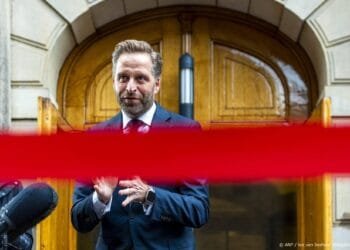
MPs had demanded justice minister David van Weel produce a “Deltaplan” for the courts before the summer recess, but he wrote to parliament last week saying it will not be ready until next year. “Yes, the chain is blocked,” he told RTL. “Things have to change drastically.”
The courts, police and public prosecution service said they recognised and regretted the delays, but that the problems would not be solved easily.