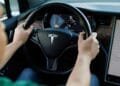


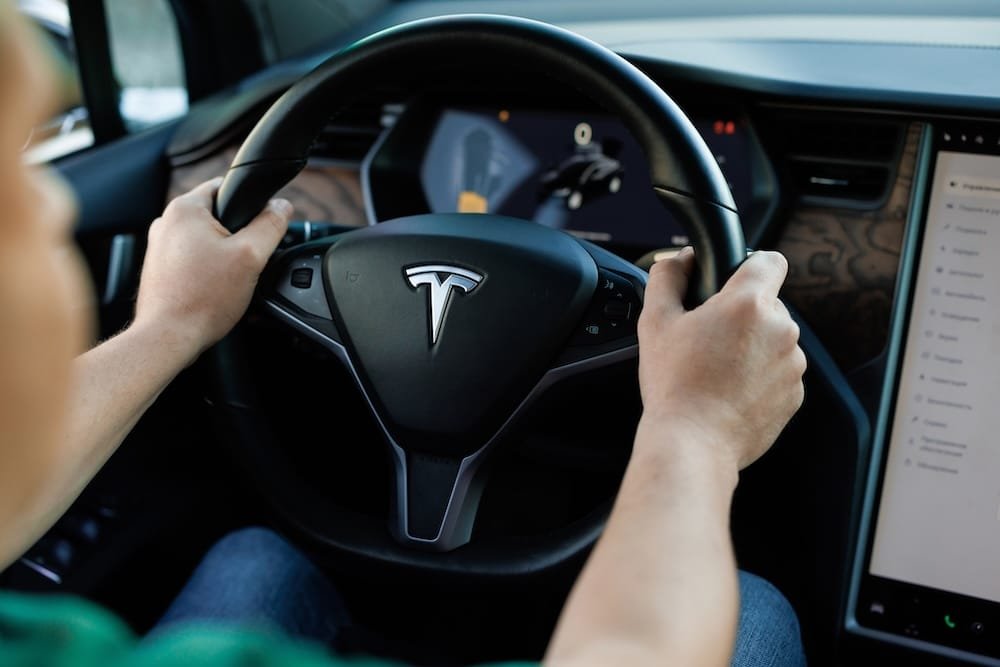
The Dutch vehicle licensing authority RDW has approved Tesla’s driving assistance system FSD, making the Netherlands the first country in Europe where the technology can be used on public roads.
The agency said in a statement it had researched and tested the Full Self-Driving Supervised system for 18 months, and said if properly used it can make a “positive contribution” to road safety.
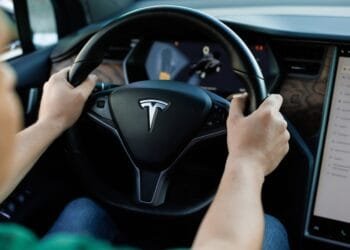
“A vehicle with FSD Supervised is not self-driving. It is a driver-controlled assistance system, which means that the driver remains responsible and must always remain in control,” the agency said.
“Hands therefore do not have to be on the steering wheel, but must be able to take over immediately if necessary.”
The system itself checks if drivers are paying sufficient attention and will signal to drivers that they must show they are alert. “It is therefore not permitted or possible, for example, to read a newspaper while driving,” the agency said.
The RDW will now ask the European Commission to approve the use of the system on roads throughout the EU, which member states will then have to vote on.
The FSD system has been used in the US for some time, but the software is different from that which has been approved for use in the Netherlands, the RDW said. There it costs $99 a month.
Elon Musk, owner of the Tesla car company, said on social media that the RDW had been “extremely rigorous in their review”.
Some types of driver assistance are already valid throughout the European Union and others only in certain member states. For example, Ford’s BlueCruise has been approved and allows drivers to keep their hands off the steering wheel on the motorway.
Accidents
Legal experts say insurance companies will be able to take action against drivers if they are involved in an accident while using an FSD because they have been reckless.
But proving an error in the self-driving software will be a challenge because the car owner does not have access to the necessary data, Rembrandt Groenewegen from legal aid law firm DAS Rechtsbijstand told television programme EenVandaag.
“If the manufacturer does not release that information, then you would have to go to court to force them to hand over the data,” he said.
Thank you for donating to DutchNews.nl.
We could not provide the Dutch News service, and keep it free of charge, without the generous support of our readers. Your donations allow us to report on issues you tell us matter, and provide you with a summary of the most important Dutch news each day.
Make a donation