


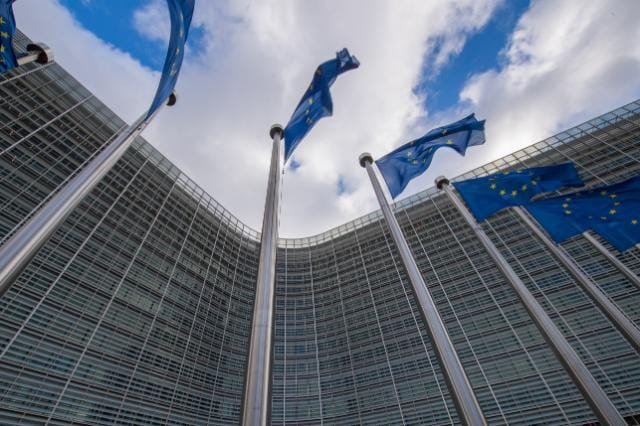
The European parliament has called for a ban on AI apps that allow to create nude or sexually explicit audiovisual material based on the photo of a real person, without consent.
MEPs on Thursday voted in favour of on a Commission proposal to simplify and delay the application of certain artificial intelligence rules.
The amendment follows controversy around Grok, X’s AI assistant, which at the beginning of the year allowed the mass production and dissemination of fake nude images based on real people’s photos.
A Dutch court has just ruled that the app must be disabled in the Netherlands. Generating sexual images of minors is covered by Dutch legislation on online sexual abuse.
The Center for Countering Digital Hate, a British-American non-profit, estimates that three million sexualised images, including of minors, were generated in less than two weeks.
In January the European Commission opened an investigation into the app under the Digital Service Act (DSA).
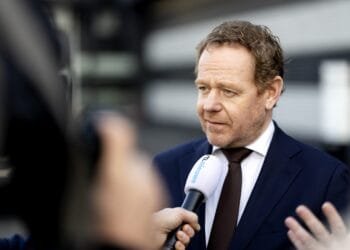
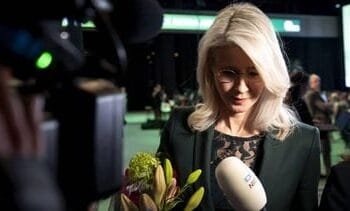
“This ban on ‘nudifier apps’ is a huge win for women’s rights and child protection,” said Dutch Green MEP Kim van Sparrentak after the vote.
“Every day, women across the EU are targeted by deep-nude AI tools that strip them of their dignity, intimidate them online and make them vulnerable to blackmail and abuse. We are finally stepping up against every person’s nightmare,” she added.
MEPs also agreed on a Commission proposal to simplify EU rules that classify AI systems based on risk, from minimal to prohibited, and to delay certain rules on high-risk systems ensuring that guidance is provided and companies are ready to apply them.
MEPs said from November 2 2026, instead of 2 February 2027 proposed by the commission, companies will have to watermark AI-created audio, image, video or text content to indicate its origin.
New rules will become effective on December 2 2027 for high-risk AI systems involving biometrics, critical infrastructure, education, employment, essential services, law enforcement, justice and border management.
The report passed with 569 votes in favour, 45 against and 23 abstentions. The parliament and the council, representing EU governments, now have to agree the final text.